
On this page
About the Book
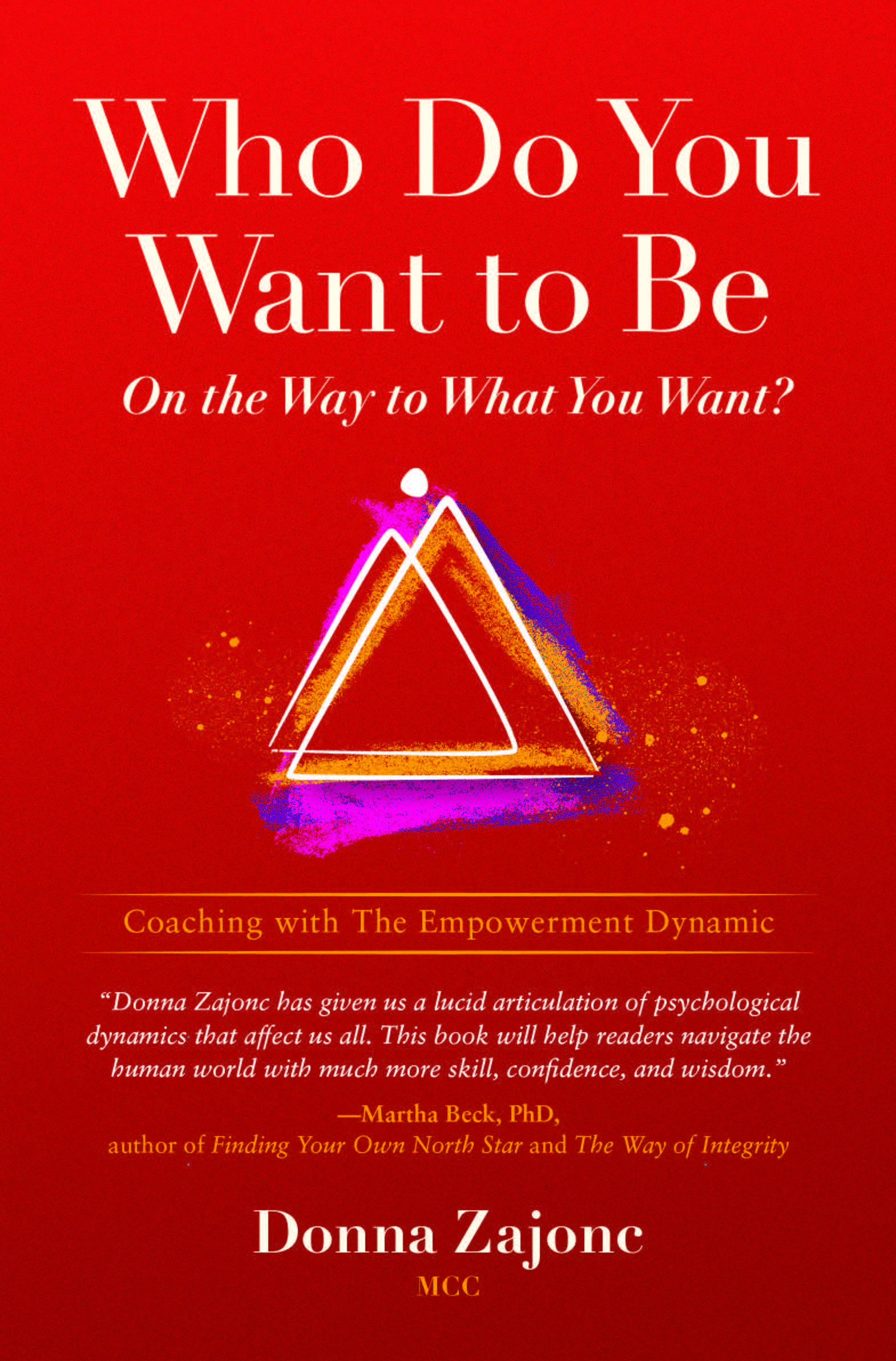
Most coaching books teach what to do. This one asks who you are being while you do it. Donna Zajonc, a Master Certified Coach and the Center’s Director of Coaching, wrote it as a teaching story to show how The Empowerment Dynamic can shape a coaching or leadership relationship from the inside, starting with the person doing the coaching.
| Detail | Information |
|---|---|
| Title | Who Do You Want to Be on the Way to What You Want? Coaching with The Empowerment Dynamic |
| Author | Donna Zajonc, MCC |
| Publisher | Polaris Publishing, March 2022 |
| Length | 268 pages |
| ISBN-13 / ISBN-10 | 9781733678100 / 1733678107 |
| Audiobook | Audible edition narrated by Elizabeth Eve, 7 hours 23 minutes (released March 2, 2022) |
What Is the Book About?
In The Power of TED*, Sophia is the coach who helps David see another way to live. Here she is years into her own career, still practicing what she teaches. The story follows how she learns to quiet her own drama patterns in service of the people she leads.
The book’s question is also its title: who do you want to be on the way to what you want? Goals and plans matter, but the quality of your presence along the way shapes what you and the people around you create. Donna describes the book’s heart as being, not doing, achieving or proving.
‘My job is to weaken the grip the Dreaded Drama Triangle (DDT) has on me and strengthen my inner observer,’ she thought. ‘Maybe that’s the formula that leads me out of the DDT? Observing inwardly how I’m relating to myself?’
Drama Triangle
Reactive roles: powerless, blaming, over-helping
Empowerment Triangle
Chosen roles: creating, challenging, coaching
An excerpt: Sophia and RJ
Sophia, a master coach, meets her client RJ, a headstrong CEO frustrated with her leadership team. This passage was shared by the author on the TED* Works! blog in There’s Always a Commitment Behind Your Complaint.
- Sophia
- “How are things going with your team?”
- RJ
- “No different, really. I have a long list of complaints about my team, but I try not to talk about them all the time.”
- Sophia
- “A complaint can be useful because it points to what you don’t want. But you can also learn to see a complaint as a door—one that leads you toward what you do want. … I often say that behind every complaint lies a commitment.”
- RJ
- “Could you say that again—more slowly?”
- Sophia
- “It may sound odd, but we don’t complain about things we don’t care about, do we? So rather than feel victimized by your complaint, the invitation is to get curious about it—to look beneath it and discover the commitment that’s trying to express itself.”
Central Lessons
1. Notice your own reactive habits first
Coaches and leaders are not exempt from the Dreaded Drama Triangle. The urge to rescue a client, defend your view or push for a result can arrive in the middle of a conversation. The book teaches you to observe your own pattern before you try to change anyone else’s. The TED* Works! post Bystander or Witness? takes Sophia’s insight as its starting point and explores the difference between a bystander and a witness.
2. Quiet the internal drama by being, not doing
Under many reactive habits sits a quiet story of not being enough. Donna calls “I am enough” the thesis of the book, and it is the counter to the Victim voice. Read more in I Am Enough: The Counter to the Victim Voice.
3. Listen below the words
Donna calls this Level 3 Listening: attending not just to the words spoken but to the underlying emotions, aspirations and unspoken thoughts. Learn more in How to Connect Beyond Words.
4. Treat a complaint as a door
As the excerpt above shows, a complaint can point to what a person cares about. Coaching with TED* turns complaints into commitments, and commitments into outcomes. See There’s Always a Commitment Behind Your Complaint.
5. Trust the fertile void to deepen creativity
Between an ending and a new beginning there is a space that is uncomfortable to sit in. Donna writes that deep creativity and authentic next steps are born there, so the practice is to stay present in the void rather than rush to fill it. See Trusting the Fertile Void.
| A reactive habit | A coaching alternative from TED* |
|---|---|
| Jumping in with advice to fix the problem | Asking what the person wants to create |
| Treating a complaint as the problem | Getting curious about the commitment beneath it |
| Filling silence to feel useful | Staying present while the person finds an answer |
| Measuring yourself by the client’s results | Resting in “I am enough” and bringing full attention |
Practice: a two-minute inner-observer check-in
Use this before a coaching session, a difficult meeting or any conversation that matters. It was written for this page and is not an exercise from the book.
- What am I feeling in my body right now, and what thought goes with it?
- Which Drama Triangle role is pulling at me: Victim, Persecutor or Rescuer?
- What do I want to create in this conversation, in positive terms?
- Who do I want to be in it? Name two or three qualities, such as curious, steady and warm.
- What is one open question I can ask from curiosity?
Created by the Center for this page. The book itself explores these ideas through Sophia’s story.
Who Should Read This Book?
Coaches
Professional and emerging coaches
If you coach clients, the story shows how a coach’s own patterns shape the work, and what changes when the coach practices Creator, Challenger and Coach stances.
Leaders
Leaders who coach their people
Managers who want to coach rather than tell can use the ideas to build trust and ask better questions.
TED* practitioners
Readers who know The Empowerment Dynamic
If you have read The Power of TED* or taken a TED* course, this book takes you deeper into practice.
Personal development
Anyone working on how they show up
You do not need to be a coach. If you want to react less and choose more in your relationships, the book offers a framework and a story.
How It Builds on The Power of TED*
The Power of TED* introduces the Empowerment Triangle through the story of David’s change. Who Do You Want to Be extends the story through Sophia, the coach who helped him. According to Donna, the framework itself inspired her to write the book, as a guide to applying TED* as a coaching process.
| Step | Book | What it adds |
|---|---|---|
| 1 | The Power of TED* | The foundation: the Empowerment Triangle and its three roles |
| 2 | The Power of TED* Workbook | Guided practice in applying the roles to your own life |
| 3 | 3 Vital Questions | TED* applied to teams, leadership and change |
| 4 | Who Do You Want to Be? | Coaching with TED*, from the inside out |
This reading path is our suggestion. Each book can also be read on its own.
About Donna Zajonc
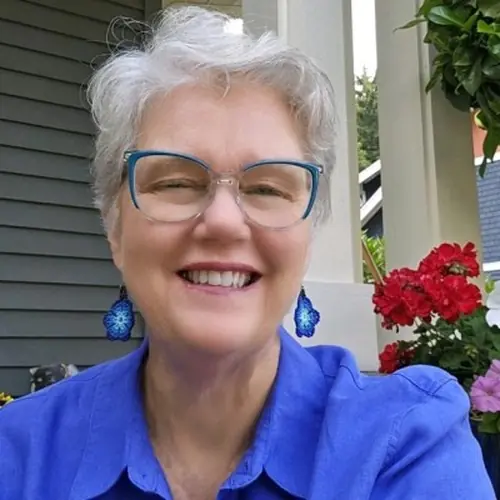
Donna Zajonc, MCC, has been a professional coach for almost 25 years and has held the Master Certified Coach credential since 2013. She is Director of Coaching for the Center for The Empowerment Dynamic and was named 2017 Washington State ICF Coach of the Year. Before coaching she was a nurse, a business owner and a three-term Oregon state legislator, and she is the author of The Politics of Hope.
She worked with David Emerald, her husband and business partner, for more than 15 years and was there when TED* was named. She writes the weekly TED* Works! blog and leads coaching training for the Center.
Frequently asked questions
Do I need to read The Power of TED* first?
It is not required, but the story is richer if you have met Sophia in The Power of TED* first. If you are new to the model, the Empowerment Triangle guide gives you the basics in a few minutes.
Is the book only for professional coaches?
No. It is written for coaches, but leaders, TED* practitioners and anyone interested in their own reactive habits and relationships will find it useful. The central practice, observing yourself and choosing who you want to be, applies to every relationship.
Is there an audiobook?
Yes. An Audible audiobook narrated by Elizabeth Eve runs 7 hours 23 minutes and was released on March 2, 2022.
How does the book relate to the TED* framework?
It applies The Empowerment Dynamic to coaching. The Dreaded Drama Triangle and the Empowerment Triangle provide the model, and the story shows how a coach can notice her own drama and relate as Creator, Challenger and Coach. See The Empowerment Triangle and the Drama Triangle.