On this page
About the Book
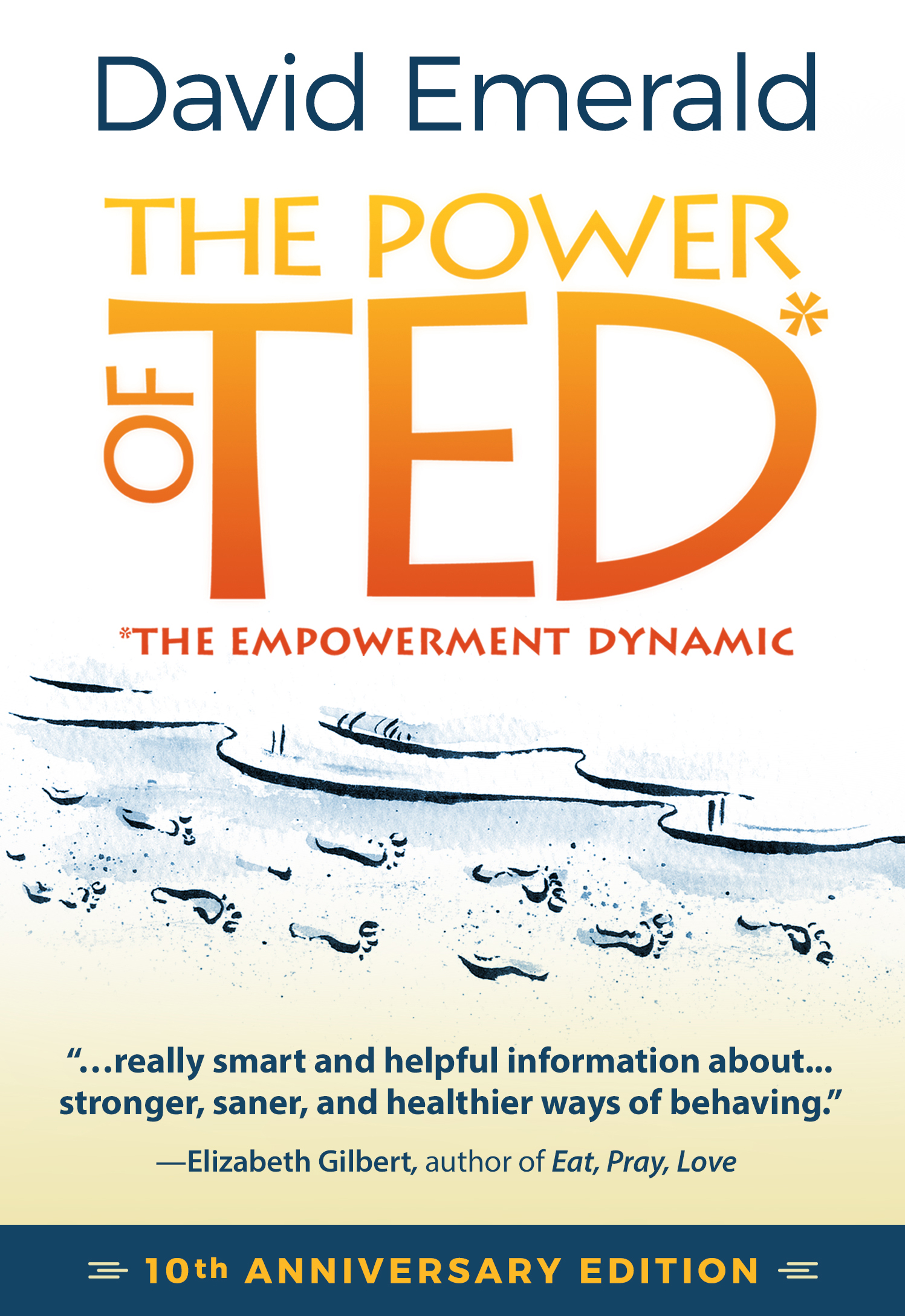
The Power of TED* is the book that started The Empowerment Dynamic. David Emerald wrote it as a fable on self-leadership and self-published it in late 2005. It spread by word of mouth among people looking for a way out of everyday drama, and in time it found its way into organizations as a set of ways of thinking, relating and acting. The 10th Anniversary Edition, published by Polaris Publishing in 2015, is the current English edition, and a Spanish edition is available.
| Detail | Information |
|---|---|
| Title | The Power of TED* (*The Empowerment Dynamic), 10th Anniversary Edition |
| Author | David Emerald (David Emerald Womeldorff) |
| Publisher | Polaris Publishing, 2015 (first published 2005) |
| Length | 176 pages, paperback |
| Formats | Paperback and eBook; Spanish edition available |
| ISBN-13 / ISBN-10 | 9780996871808 / 0996871802 |
| Type | Teaching fable, not a memoir or case study |
What Is The Power of TED* About?
The story follows David, who is struggling in a problem-focused, Victim orientation, and the people who help him see another way to live. TED*, a character who embodies The Empowerment Dynamic, challenges David’s thinking. Sophia, a coach, helps him learn to ask better questions of himself. Through their conversations the reader meets the three roles of the Empowerment Triangle, and learns how to practice them.
The fable is built on a simple observation: most of the drama in our lives comes from how we respond to difficulty, not from the difficulty itself. The book takes the Drama Triangle, a model of three reactive roles, and offers an alternative, the Empowerment Triangle. That alternative does not deny that problems exist. It changes where you put your attention and how you act.
Victim
“Life happens to me.”
Creator
“I choose my response.”
Persecutor
“I must win.”
Challenger
“You can do it.”
Rescuer
“Let me fix it for you.”
Coach
“What do you want to create?”
Your life is a kind of laboratory where you’re constantly experimenting with your own higher knowing, always increasing your capacity to design the life you choose. Human beings must create; it’s hardwired. The question is, are you consciously creating or only sleepwalking through your human life?
The book is spoiler-light by design. Its power comes from reading how the characters’ conversations change David’s focus, and then trying the same questions in your own life. The Center’s blog explains why the authors teach through stories in What Story Will You Tell About These Times?
Central Lessons
1. Drama is a response, not a circumstance
The Drama Triangle was described by psychiatrist Stephen Karpman in 1968. TED* adds that the roles of Victim, Persecutor and Rescuer are ways of managing anxiety, and that anyone can slip into them. The book helps you recognize the pattern in yourself first.
2. Orientation shapes everything
When your attention is on what you do not want, you tend to feel anxious and act reactively. When it is on what you want to create, you tend to feel more resourceful. TED* calls these a problem orientation and an outcome orientation, and describes how focus shapes inner state, behavior and effect in the FISBE chain.
3. Three empowering roles replace three drama roles
| Role | Replaces | Core stance | Signature move |
|---|---|---|---|
| Creator | Victim | I can choose my response and shape what I want | Names a desired outcome and takes a Baby Step |
| Challenger | Persecutor | I believe you can grow, and I will say what is true | Asks for a commitment, with respect |
| Coach | Rescuer | I trust you to find your own answers | Asks questions instead of giving solutions |
4. Tension is useful, and Baby Steps make it productive
Between where you are and where you want to be there is a gap, which TED* calls Dynamic Tension. The book shows that you do not need to resolve it all at once. A Baby Step is a small action that is entirely your responsibility, short-term and aimed in the direction of what you want.
5. You are always creating
The deepest lesson of the book is the one in the passage quoted above: human beings create all the time, either consciously or by default. TED* is a way to make that creating conscious.
Summary: The Book in One Page
- 1
Notice the Dreaded Drama Triangle
You are in drama when you feel like a Victim, blame as a Persecutor or rescue as a Rescuer. Naming the role loosens its hold.
- 2
Shift from problems to outcomes
Ask what you want to create. The question changes your inner state and the actions that follow.
- 3
Choose a Creator, Challenger or Coach stance
Pick the empowering counterpart of the drama role you are in. Choose, tell the truth with respect, or ask.
- 4
Take a Baby Step
Pick one small action that is within your control and move toward the outcome you want.
This page summarizes the book briefly. For a deeper treatment of the model, read the complete guide What Is the Empowerment Triangle? and compare the two models in Drama Triangle vs. Empowerment Triangle.
Who Should Read The Power of TED*?
Individuals
If you keep repeating the same conflict
If you feel stuck in a pattern at home or at work and want a clear way to see your part in it, the fable gives you language and a practice.
Leaders
If you are tired of rescuing or blaming
Leaders often swing between fixing problems for people and criticizing them. The book shows a third path: challenge with respect and coach with questions.
Coaches
If you coach other people
The Coach role in TED* is a practical stance for asking, not telling. Coaches use the book to ground a shared language with clients.
Continue Learning
After The Power of TED*, there are three books that build on it. We suggest this order if you want to go deeper: the workbook to practice, the 3 Vital Questions to apply TED* at work and Donna Zajonc’s book to bring it into coaching.
The Power of TED* Workbook
Applying TED* (*The Empowerment Dynamic) to Life
Guided exercises and reflections for practicing the three roles.
About the TED* Workbook
3 Vital Questions
Transforming Workplace Drama
A workplace fable about the three questions of focus, relating and action.
About 3 Vital Questions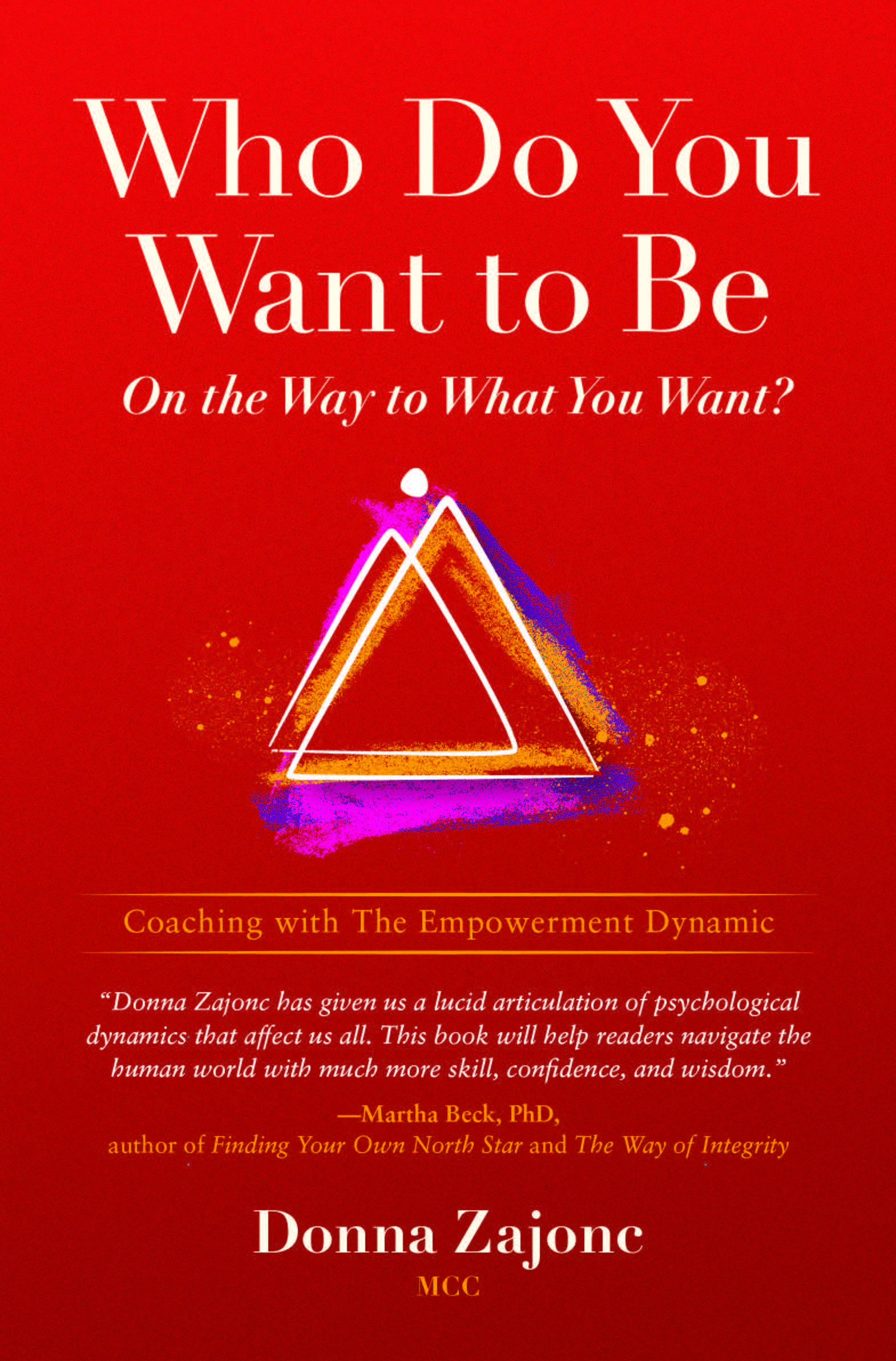
Who Do You Want to Be
On the Way to What You Want
Donna Zajonc's guide to coaching and leading with TED*.
About Who Do You Want to Be?Framework
The 3 Vital Questions
The daily practice that puts TED* to work.
The 3 Vital Questions frameworkFree download
Field guide
Three shifts, six roles and three questions on a single page.
Download the field guide (PDF)Training
3VQ eCourse
A self-paced course on applying the questions at work and in life.
Explore the 3VQ eCourseFrequently asked questions
Is The Power of TED* a true story?
No. It is a fable, a teaching story, not a memoir or case study. The Center describes its books about The Empowerment Dynamic as fables, and the characters illustrate the model rather than report real events.
What does TED* stand for?
TED* stands for The Empowerment Dynamic. The asterisk points to that full name. In the book, TED* is also a character who embodies the Empowerment Dynamic. Read more in the Empowerment Triangle guide.
What is the main message of the book?
You can choose how you respond to difficulty. By moving from a problem orientation to an outcome orientation and from the Victim, Persecutor and Rescuer roles to Creator, Challenger and Coach, you can leave drama and create what you want.
Is there a workbook for The Power of TED*?
Yes. The Power of TED* Workbook is a companion with guided exercises, reflections and tools. It is also sold with the book in a combo.
Where can I buy The Power of TED*?
The 10th Anniversary Edition is available on Amazon in paperback and eBook, and a Spanish edition is available. The Center also offers a Book + Workbook combo.