
Insights & Practices
The TED* Blog
Stories, frameworks, and practices for shifting from drama to empowerment.
Get new articles by email
Stories and practices, delivered to your inbox.
Skip The Drama
When we hold in-person multi-day workshops , at the end of the first day we ask participants to “stay tuned” to their experiences during the evening and simply notice how the Dreaded Drama Triangle (DDT) and its roles of…
Hope is a Strategic Advantage
Guest Blog Written By Andrew BennettAndrew Bennett is a long-time friend and colleague of David’s, and we are thrilled to share this essay that was originally published on…
This Father’s Gratitude
This weekend is Father’s Day in the United States and many other countries around the world. It is a day to express gratitude for fathers or father figures who have had a positive impact on your life. I ( David ) am…
The Unhelpful Helper
It's a wonderful thing to want to help others. Thank goodness there are many in this world who are sensitive, caring, and helpful people. However, if your constant focus is to be a helper, you may pay a heavy cost…
You Cannot Not Create
Creating is in the basic nature of being human. It is not reserved only for those who call themselves artists, musicians, and writers. Everyone creates. You engage in the act of creating every day when you bring…
How TED* Can Transform Anger
This blog is written by Bob Brinker M. A. Bob is a long-time subscriber to TED* Works!® who wrote to us about how he uses TED* as a counselor. I have lost track of when I first became aware of the Karpman Drama Triangle…

Make Valuable Deposits in Your Emotional Bank Account
In a recent conversation, a good friend raved about the CEO in his global consulting firm. He said that the CEO had always been rather cold and aloof and rarely shared personal information, but he had changed in his…
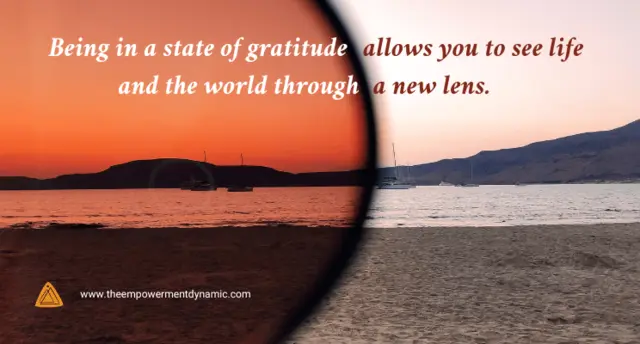
How to be Grateful Even When Problems Arise
When “just be grateful” is used to offset every difficult situation, it can become a cliché or even trivialized. The truth is, gratitude cultivates more effective outcomes. It’s not just a sweet sentiment. It’s a…
Victimization vs Victimhood
The Victim role is the central role in the Dreaded Drama Triangle (DDT). There are absolutely times we all have felt like a Victim in the world, but there’s a profound difference between victimization and victimhood. Let…